
HIJAMA
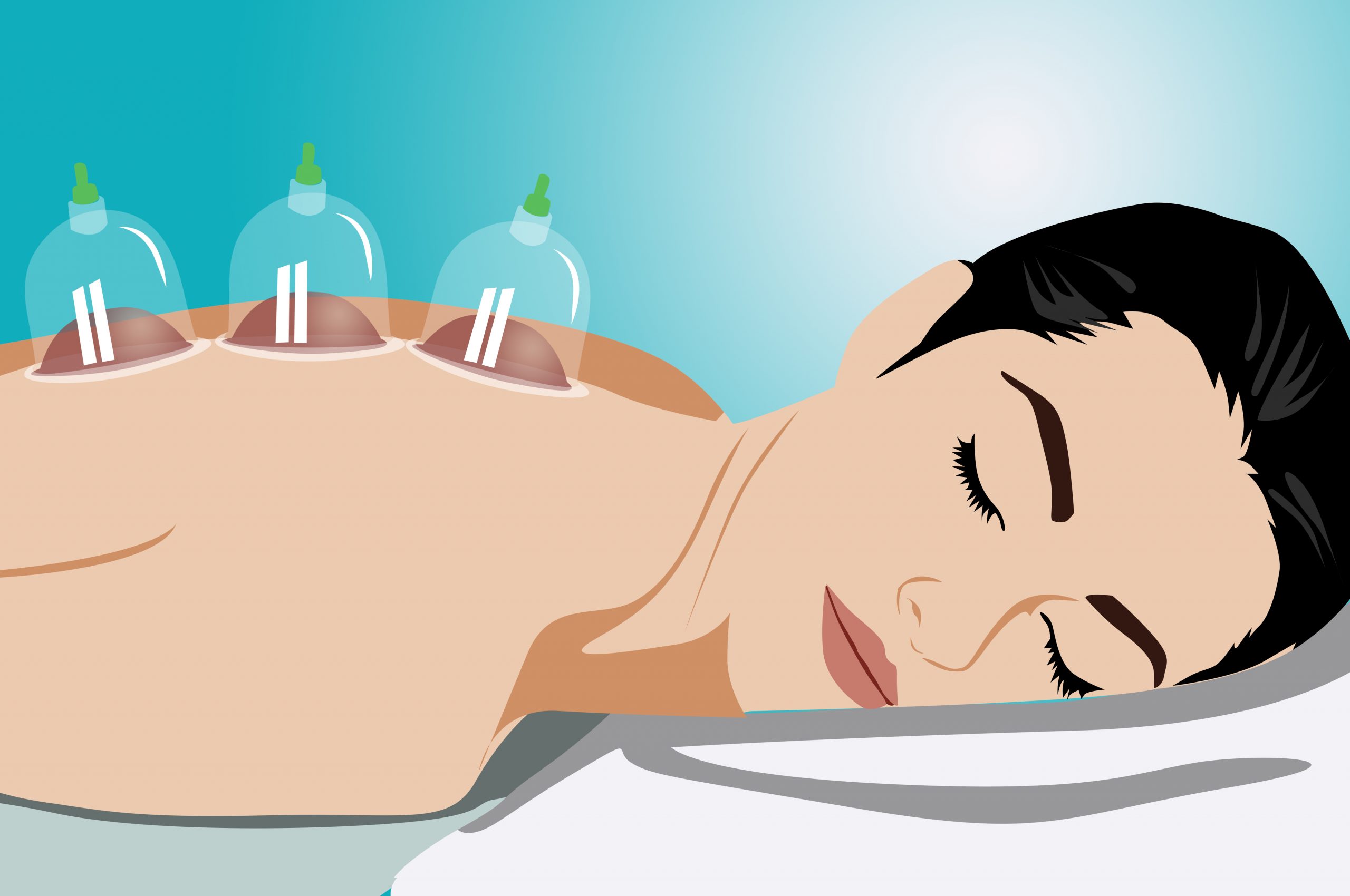
Welcome to Hijama Therapy at Acupuncture for Better Health
Hijama, also known as wet cupping, is an ancient therapeutic practice with roots in traditional medicine systems dating back thousands of years. At our home clinic in Oakville, we offer this powerful treatment in a private, comfortable setting—helping you experience its profound benefits for pain relief, detoxification, and deep relaxation. Whether you're new to Hijama or seeking a trusted practitioner, we invite you to discover how this time-honored therapy can support your journey toward better health.
Your Experience in Our Home Clinic
We understand that trying a new therapy can feel unfamiliar. That's why we've created a calm, welcoming space on the first floor of our home—a private and peaceful environment where you can feel completely at ease. Whether you're here for Hijama or acupuncture, you'll always be treated with care, respect, and professionalism.
Hijama therapy benefits
At Acupuncture for Better Health, we are proud to offer Hijama (wet cupping) therapy as part of our holistic approach to wellness. Performed in the comfort and privacy of our home clinic, this traditional treatment is tailored to support your body’s natural healing processes.
How Hijama Can Support Your Well-Being:
1.Natural Pain Relief:
Hijama is widely sought after for its
ability to relieve persistent pain, including back pain, neck tension, and headaches. The gentle suction created by the cups helps increase blood flow to affected areas, relax tight muscles, and encourage the body's natural healing response— often providing relief where other methods fall short.
2. Gentle Detoxification
Rooted in traditional medicine, Hijama is believed to help draw out stagnant or "old" blood from just beneath the skin's surface. This process is thought to clear the way for fresh, oxygen-rich blood and lymph to circulate, supporting the body’s natural detoxification pathways and promoting overall vitality.
3. Enhanced Blood Circulation
The suction from cupping stimulates microcirculation in the treated areas. Improved blood flow means more oxygen and nutrients reach your tissues, which can speed up recovery, reduce inflammation, and support healthier cellular function throughout your body.
4. Deep Relaxation & Stress Relief
In our fast-paced world, true relaxation can be hard to find. Hijama therapy offers a unique opportunity to unwind. The treatment often triggers a parasympathetic (rest-and-digest) response, helping to calm the nervous system, ease mental tension, and leave you feeling deeply grounded and refreshed.
Frequently Asked Questions About Hijama
1. What is the difference between Hijama and dry cupping?
Hijama (wet cupping) involves gentle, controlled suction followed by very light, superficial incisions to remove a small amount of stagnant blood. This is believed to draw out impurities and promote fresh circulation. Dry cupping uses suction alone without incisions, focusing primarily on muscle tension and relaxation. Both have their benefits, and we're happy to discuss which approach may be right for you.
2. Does Hijama hurt?
Most clients report little to no discomfort. You may feel a mild pulling sensation from the suction, and the tiny incisions are often described as feeling like a quick mosquito bite. After the initial moment, the focus shifts to deep relaxation. Your comfort is our priority, and we'll guide you through every step.
3. What should I expect during my first session?
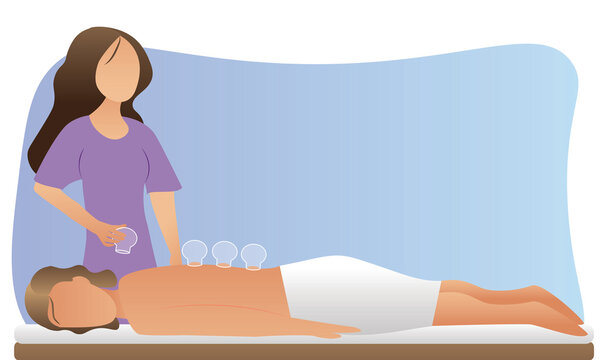
Your first visit will begin with a brief consultation to understand your health concerns and goals. You'll then lie down comfortably in our private treatment room. We'll apply the cups to specific areas of your body, typically your back, for a few minutes. After removing the cups, we'll make tiny, painless incisions and reapply the cups briefly to draw out a small amount of blood. The entire session lasts about 30 minutes. Most people feel deeply relaxed afterward.
4. How should I prepare for a Hijama session?
We recommend:
Eating a light meal 2-3 hours before your appointment (avoid being on a full or complete empty stomach).
Staying well-hydrated.
Avoiding caffeine or heavy physical activity right before your session.
Wearing comfortable, loose-fitting clothing that allows easy access to the treatment area.
5. Is there any downtime or aftercare?
Hijama requires minimal downtime. You can resume most activities immediately, though we suggest avoiding intense exercise, heavy lifting, or prolonged sun exposure for 24 hours. Keep the cupping marks clean and dry—they are typically small, circular bruises that will fade naturally over a few days to a week. We'll provide you with full aftercare instructions.
6. Are there any side effects?
The most common side effect is temporary bruising at the cup sites, which is a normal part of the healing response. Some people may feel mild fatigue or dizziness immediately after, which is why we encourage you to rest and hydrate. Serious side effects are rare when performed by a trained professional. We will always review your health history beforehand to ensure Hijama is safe for you.
7. How many sessions will I need?
This depends on your individual health goals. Some people experience significant relief after just one session, while others benefit from a series of treatments for chronic conditions. During your visit, we can discuss a personalized plan that works best for you.
Pricing:
Hijama (Wet Cupping) – 30 minutes: $108
Ready to Book?
Ready to experience the healing benefits of Hijama? Contact us today to schedule your appointment or ask any questions. We're here to support you on your path to better health.
📞 416 704 2864
📧 acupunctureforbetterhealth@gmail.com
📍 Oakville
Nisrine speaks out
Read our blog about healthy living

Acupuncture and Emotions/Trauma
Acupuncture and motions, Feelings, Spirit…
What happens when you feel an emotion? Does it make your stomach flutter? Or cheeks flush? Or maybe it makes your chest burn?
In Traditional Chinese Medicine, each organ in our body has a corresponding emotion associated with it. For example:
Grief & Regret are attached to the Lungs, and it shows symptoms such as tightness in the chest, and being unable to take a big breath, as well as tiredness.
Worry & Stress are related to Spleen/Stomach giving symptoms like Upset stomach, poor digestion, loss of appetite, "knots" in stomach.
Overstimulation & Shock are related to the Heart with symptoms such as Rapid heartbeat, fluttering, palpitations, insomnia, restlessness.
Fear & Anxiety are related to Kidney/Bladder with symptoms like persistent urination, incontinence, lower back pain, panic attacks.
Anger & Resentment are related to the Liver showing symptoms of Red/hot face, headache, menstruation issues, dizziness, outbursts.
If you can acknowledge and face your emotion, you can release it. When we don't recognize emotions, or we ignore what we are feeling, that emotion will hide itself and manifest in different symptoms until we pay attention. When something is wrong and we are not feeling at ease, that's what creates disease. Acupuncture can be a very good tool to release these emotions.
The state of our mind and quality of our emotions may be the leading causes of disease. Negative thoughts and emotion create imbalance and disharmony within the body, which makes us more susceptible to dysfunction and illness. When your symptoms are addressed in acupuncture, your underlying emotions are also released. Acupuncture helps to move Qi, or energy, and release energy that is stagnant in the body. For some individuals with stuck emotions, acupuncture can cause an emotional release.
Trauma:
Because acupuncture treats body, mind, and spirit as a seamless whole, it can simultaneously address the physical, mental, and emotional effects of trauma or any stuck feeling internally. By restoring balance to the nervous system, acupuncture can help tone down the activation of your sympathetic nervous system (aka "fight or flight" mode) and help you to relax back into parasympathetic activation (aka "rest and digest" mode). By treating areas of the body affected by trauma, acupuncture can help release the emotional pain that is being held in the body's tissues, helping you to process the feelings and memories, let them go, and move on. By harmonizing out-of-balance emotions, acupuncture can help you return to an appropriate relationship with fear, anger, and grief instead of feeling like they rule your life.
Acupuncture provides amazing relief from the assault of stress hormones, allowing the body to rest and begin the process of healing.
Regardless of when a traumatic experience happens, the impact on a person’s life can be profound. Acupuncture is a safe, effective, and drug-free way to help people recover from the effects of trauma and return to living happier, fuller lives.
People recovering from traumatic experience or PTSD, acupuncture can help them to:
• Calm anxiety and ease depression • Reduce hypervigilance • Promote restful sleep • Alleviate nightmares • Improve focus and memory • Decrease irritability and angry outbursts • Stabilize mood swings • Reduce flashbacks • Relax tight muscles • Ease physical pain • Process and release painful emotions
Combining Acupuncture with Other Healing Modalities
Acupuncture, when mixed with other healing ways, such as yoga, meditation, massage therapy, and aromatherapy, can be a powerful tool in healing both emotional and physical pain, including chronic pain.
Combining different methodologies can create a more robust healing experience that addresses the root causes of trauma and helps individuals become more resilient.
By incorporating acupuncture with other healing modalities, individuals can experience a more holistic and comprehensive approach to healing emotional trauma.
1/ Lifestyle Changes to Support Emotional Healing
Going through emotional trauma can really shake up your mental health and how you feel overall. While getting acupuncture treatment is a good step, making some changes in how you live day-to-day can also help heal those emotional wounds. Here's what might work well with acupuncture therapy:
With stress management techniques: By doing things like meditation, breathing deeply, you can reduce stress and find some peace.
On the front of self-care: It’s crucial to look after yourself by sleeping enough, eating right, and staying active to balance your emotions.
In seeking support, having people around you who understand what you're going through makes a big difference. These could be friends or family members, but don't overlook support groups, either.
Through creative outlets: Trying art therapy or writing in a journal gives your feelings an escape route, which helps with healing.
Establishing healthy boundaries: Knowing when to say no keeps your emotional space safe from more harm.
Mixing these lifestyle tweaks with acupuncture sessions could pave the way for better handling of emotional trauma, boosting both mental health and that sense of inner calm we all need.
2/ Complementary Therapies That Enhance Acupuncture’s Effects
Besides acupuncture, there are a few other helpful methods that can boost its effectiveness in treating emotional trauma. These additional therapies work well together with acupuncture to offer full support for people dealing with such issues. Here's what they include:
Cognitive Behavioral Therapy (CBT): This is talking therapy where you learn to spot and change negative thoughts and actions. When used with acupuncture treatment, it forms a strong strategy for overcoming emotional trauma.
Yoga involves body poses, breath control, and meditation to improve overall health. It's great for lowering stress, becoming more flexible, and relaxing deeply, which complements the healing effects of acupuncture.
Relaxation techniques like muscle loosening exercises, deep breathing routines, and visualizing calming images have been known to help people unwind, reducing worry while encouraging mental recovery. These practices, when combined with an acupuncture session, amplify the calming impact.

Testimonials
"I had been experiencing chronic neck pain for years, but after just a few acupuncture sessions, the pain started to fade away. Now, I can move my neck without any discomfort. I highly recommend acupuncture for anyone struggling with chronic pain." - Isabella S
"I had always struggled with anxiety and found it hard to relax. After trying acupuncture, I felt a sense of calmness and relaxation that I had never experienced before. It was truly life-changing." - Yasmin A
"I suffered from migraines for years and tried various treatments with little relief. After a friend recommended acupuncture, I decided to give it a try. I was amazed at how quickly my migraines disappeared. Not only did acupuncture help me manage my pain, but it also improved my overall quality of life." - Amelia D

Get In Touch
Email: acupunctureforbetterhealth@gmail.com
Address
246 Ellen Davidson Drive
Oakville
L6M0V2
Assistance Hours
Monday: 9:00am - 9:00pm
Tuesday: 9:0oam - 9:00pm
Wednesday: 9:00am - 9:00pm
Thursday: 9:00am - 9:00pm
Friday: 9:00am - 12:00pm & 2:00pm - 8:00pm
Sat 10:00am – 6:00pm
Sunday – 10:00am - 6:00pm
Phone Number: (416)-704-2864
