
HIJAMA
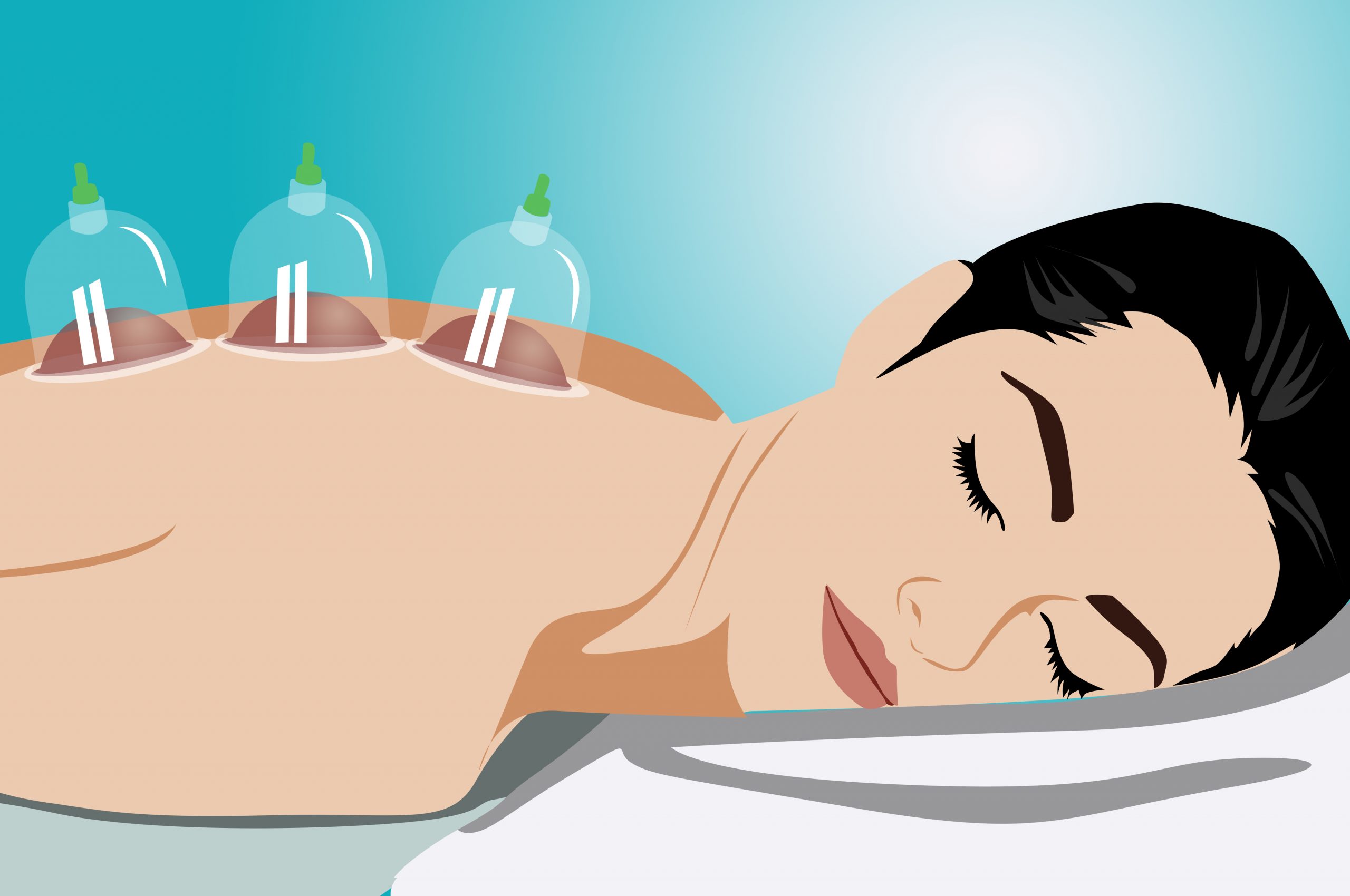
Welcome to Hijama Therapy at Acupuncture for Better Health
Hijama, also known as wet cupping, is an ancient therapeutic practice with roots in traditional medicine systems dating back thousands of years. At our home clinic in Oakville, we offer this powerful treatment in a private, comfortable setting—helping you experience its profound benefits for pain relief, detoxification, and deep relaxation. Whether you're new to Hijama or seeking a trusted practitioner, we invite you to discover how this time-honored therapy can support your journey toward better health.
Your Experience in Our Home Clinic
We understand that trying a new therapy can feel unfamiliar. That's why we've created a calm, welcoming space on the first floor of our home—a private and peaceful environment where you can feel completely at ease. Whether you're here for Hijama or acupuncture, you'll always be treated with care, respect, and professionalism.
Hijama therapy benefits
At Acupuncture for Better Health, we are proud to offer Hijama (wet cupping) therapy as part of our holistic approach to wellness. Performed in the comfort and privacy of our home clinic, this traditional treatment is tailored to support your body’s natural healing processes.
How Hijama Can Support Your Well-Being:
1.Natural Pain Relief:
Hijama is widely sought after for its
ability to relieve persistent pain, including back pain, neck tension, and headaches. The gentle suction created by the cups helps increase blood flow to affected areas, relax tight muscles, and encourage the body's natural healing response— often providing relief where other methods fall short.
2. Gentle Detoxification
Rooted in traditional medicine, Hijama is believed to help draw out stagnant or "old" blood from just beneath the skin's surface. This process is thought to clear the way for fresh, oxygen-rich blood and lymph to circulate, supporting the body’s natural detoxification pathways and promoting overall vitality.
3. Enhanced Blood Circulation
The suction from cupping stimulates microcirculation in the treated areas. Improved blood flow means more oxygen and nutrients reach your tissues, which can speed up recovery, reduce inflammation, and support healthier cellular function throughout your body.
4. Deep Relaxation & Stress Relief
In our fast-paced world, true relaxation can be hard to find. Hijama therapy offers a unique opportunity to unwind. The treatment often triggers a parasympathetic (rest-and-digest) response, helping to calm the nervous system, ease mental tension, and leave you feeling deeply grounded and refreshed.
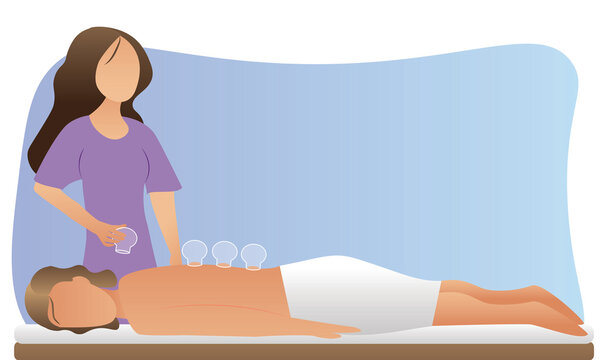
Frequently Asked Questions About Hijama
1. What is the difference between Hijama and dry cupping?
Hijama (wet cupping) involves gentle, controlled suction followed by very light, superficial incisions to remove a small amount of stagnant blood. This is believed to draw out impurities and promote fresh circulation. Dry cupping uses suction alone without incisions, focusing primarily on muscle tension and relaxation. Both have their benefits, and we're happy to discuss which approach may be right for you.
2. Does Hijama hurt?
Most clients report little to no discomfort. You may feel a mild pulling sensation from the suction, and the tiny incisions are often described as feeling like a quick mosquito bite. After the initial moment, the focus shifts to deep relaxation. Your comfort is our priority, and we'll guide you through every step.
3. What should I expect during my first session?
Your first visit will begin with a brief consultation to understand your health concerns and goals. You'll then lie down comfortably in our private treatment room. We'll apply the cups to specific areas of your body, typically your back, for a few minutes. After removing the cups, we'll make tiny, painless incisions and reapply the cups briefly to draw out a small amount of blood. The entire session lasts about 30 minutes. Most people feel deeply relaxed afterward.
4. How should I prepare for a Hijama session?
We recommend:
Eating a light meal 2-3 hours before your appointment (avoid being on a full or complete empty stomach).
Staying well-hydrated.
Avoiding caffeine or heavy physical activity right before your session.
Wearing comfortable, loose-fitting clothing that allows easy access to the treatment area.
5. Is there any downtime or aftercare?
Hijama requires minimal downtime. You can resume most activities immediately, though we suggest avoiding intense exercise, heavy lifting, or prolonged sun exposure for 24 hours. Keep the cupping marks clean and dry—they are typically small, circular bruises that will fade naturally over a few days to a week. We'll provide you with full aftercare instructions.
6. Are there any side effects?
The most common side effect is temporary bruising at the cup sites, which is a normal part of the healing response. Some people may feel mild fatigue or dizziness immediately after, which is why we encourage you to rest and hydrate. Serious side effects are rare when performed by a trained professional. We will always review your health history beforehand to ensure Hijama is safe for you.
7. How many sessions will I need?
This depends on your individual health goals. Some people experience significant relief after just one session, while others benefit from a series of treatments for chronic conditions. During your visit, we can discuss a personalized plan that works best for you.
Pricing:
Hijama (Wet Cupping) – 30 minutes: $108
Ready to Book?
Ready to experience the healing benefits of Hijama? Contact us today to schedule your appointment or ask any questions. We're here to support you on your path to better health.
📞 416 704 2864
📧 acupunctureforbetterhealth@gmail.com
📍 Oakville
Nisrine speaks out
Read our blog about healthy living

Neck and Shoulder pain
Types of Neck and Shoulder pain
Musculoskeletal and connective tissue injuries lead to lots of clinic visits. The causes of these injuries may be external (sports injuries, car accidents, trauma), internal (chronic wear and tear of muscles, ligaments and tendons; bones weakened by osteoporosis), or both.
Acute injuries are characterized by severe pain, swelling, and inflammation. Treatment of acute injuries should focus on relieving pain, reducing swelling and inflammation. Chronic injuries are characterized by dull pain, stiffness and numbness, as well as decreased muscle mass and strength. Treatment of chronic injuries should focus on relieving pain and restoring physical and physiological functions.
In my own practice, most of neck and shoulder pain I treat is the acute type: • Acute neck and shoulder pain due to sports injuries, car accidents, prolonged body posture in a fixed position (such as working in front of a computer or sleeping in a poor position), • Whiplash, muscle tightness, and spasms • Acute flare-ups of chronic neck and shoulder problems, . Pain associated with a slipped or bulging disk of the neck.
Treatment of Neck and Shoulder pain
Treatment of neck and shoulder pain with acupuncture is different from the western therapies available in wellness clinics. Acupuncture method is so unique that I used to hear from most of my patients during and after the treatment some feedback such as “wow! That’s magical, that’s wield…etc” and that’s not only because they see improvement right the way, but because they see me not putting any single needle on the neck and shoulder area. Acupuncture has a unique way of imaging the body and affecting it with minimum of pain and minimum of treatment sessions. Acupuncture effectively avoids aggravating pain which often occurs with local treatments, where most of the work is done on the neck and shoulder. That’s why patients notice more pain next day of the treatment for few days before it starts to get better.
I’ve treated very difficult cases of pain that the patients were trying with other therapies for long months or even years with minimal to non-results, acupuncture helped them in few sessions only, with 80% to 100% results. Some cases were 100% recovered in one session only.
I do encourage everyone to try acupuncture first in case of any type of pain, before deciding to take pain killers, or other countertop medications, or even before trying other treatments. Acupuncture is the answer in lots of cases.
keep in mind that there are lots of western practitioners who use acupuncture as well, which fine, but most of them, they are not trained in traditional acupuncture that I talked about in this article. They mainly use what is called trigger points, or ahshi points, which is basically a local treatment, where the practitioner inserts needles in the pain area. This is not a wrong treatment but it’s not the traditional acupuncture way, it does give a temporary pain relief like the other therapies, but it is quiet aggressive as the practitioner puts needles where it is painful increasing the patient discomfort or sufferance.
Once the condition is better with acupuncture, it is very important to take some measures to maintain the results and avoid future aggravations. Here couple of tips that I would like to share in this article.
Nutrition
• Eat plenty of whole grains, seafood, dark green vegetables, and nuts. These foods are rich in vitamin B complex and magnesium, which are essential for nerve health and relaxation of tense muscles.
• Adequate intake of minerals, such as calcium and potassium, are essential for pain management. Deficiency of these minerals will lead to spasms, cramps, and tense muscles.
Lifestyle Instructions
• Patients should avoid exposing affected areas to cold or drafts. Scarves, turtlenecks or similar clothing should be worn to protect the neck and avoid exposing the shoulders.
• Patients with frozen shoulders should be encouraged to exercise their shoulders as much as possible.
• Patients should also be advised to check their pillow to make sure it is not too high or too low. Mattresses should also be assessed for firmness.
• Hot baths with Epsom salts help to relax tense muscles and withdraw toxins from the tissues.

Testimonials
"I had been experiencing chronic neck pain for years, but after just a few acupuncture sessions, the pain started to fade away. Now, I can move my neck without any discomfort. I highly recommend acupuncture for anyone struggling with chronic pain." - Isabella S
"I had always struggled with anxiety and found it hard to relax. After trying acupuncture, I felt a sense of calmness and relaxation that I had never experienced before. It was truly life-changing." - Yasmin A
"I suffered from migraines for years and tried various treatments with little relief. After a friend recommended acupuncture, I decided to give it a try. I was amazed at how quickly my migraines disappeared. Not only did acupuncture help me manage my pain, but it also improved my overall quality of life." - Amelia D

Get In Touch
Email: acupunctureforbetterhealth@gmail.com
Address
246 Ellen Davidson Drive
Oakville
L6M0V2
Assistance Hours
Monday: 9:00am - 9:00pm
Tuesday: 9:0oam - 9:00pm
Wednesday: 9:00am - 9:00pm
Thursday: 9:00am - 9:00pm
Friday: 9:00am - 12:00pm & 2:00pm - 8:00pm
Sat 10:00am – 6:00pm
Sunday – 10:00am - 6:00pm
Phone Number: (416)-704-2864
